How to become a veterinary doctor after 12th in India?
A career as a veterinary doctor can be the best one for your future, in case you have ever felt strongly connected to animals and have always wanted to heal them. A lot of students wonder how to become a veterinary doctor and whether it is the correct choice of career after 12th. Veterinary Science, or the Animal Doctor Course, is the most suitable option for those students who are interested in the healthcare of animals. This course provides training on how to diagnose, treat, and prevent diseases in animals to ensure their good health. The profession has enormous career prospects with the increasing need for veterinary doctors in India. In both the government departments and the private companies, there are many job opportunities available to veterinary graduates and postgraduates.
And, in case you ever considered working in this field, there is no need to wait any longer. This blog will guide you in detail on how to become a veterinary doctor after 12th in India.
What is a veterinary doctor?
A veterinary doctor is a trained health specialist who diagnoses, treats, and prevents illnesses in animals. The first step in becoming a veterinary doctor is to understand this profession. Unlike common perception, their work goes far beyond treating pets. Veterinary doctors protect livestock, ensure food safety, support dairy and poultry industries, and even engage in research and health.
They treat household pets and farm animals as well as wild animals. They deal with surgery, pathology, nutrition, reproduction, and disease control. There is a great need for veterinary doctors in India because this country greatly relies on agriculture and animal husbandry.
Veterinary doctor course after 12th
You can join the Bachelor of Veterinary Science and Animal Husbandry (BVSc & AH) course after finishing class 12. Eligibility criteria require students to complete class 12 with Physics, Chemistry, Biology/Biotechnology and English from a recognized board.
The curriculum of the BVSc is intensive and practical. You will learn anatomy, physiology, animal nutrition, pharmacology, pathology, microbiology, surgery, and clinical practices. Early exposure to practice makes students gain confidence in dealing with animals in the real world.
Is NEET required for BVSc?
Yes, NEET is compulsory for BVSc admissions in India. The National Eligibility cum Entrance Test (NEET-UG) is the only entrance exam for veterinary colleges across the country.
NEET is used to determine eligibility for government, private, and deemed veterinary colleges. The exam tests concepts in Physics, Chemistry, and Biology at the 10+2 level; therefore, good conceptual clarity is essential. Many aspirants underestimate NEET for veterinary courses, but the competition is increasing every year.
NEET cutoff for BVSc
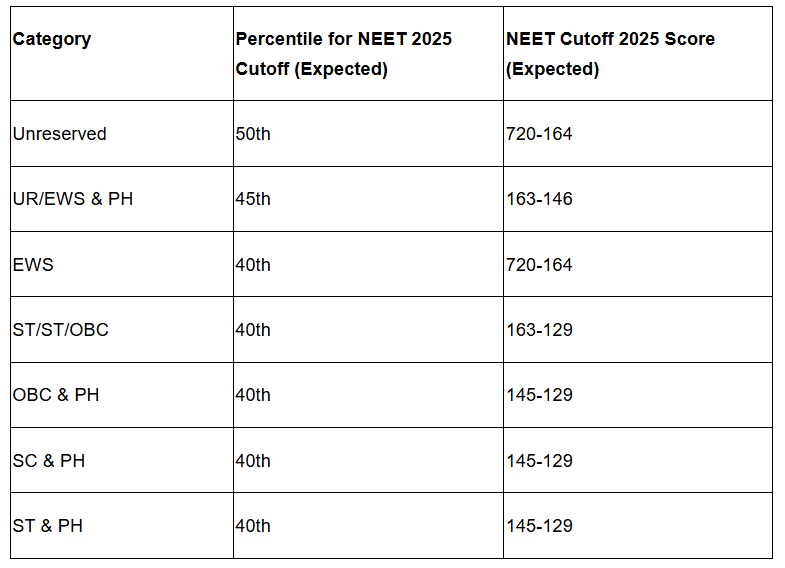
We shall now be reading about the anticipated NEET category-wise veterinary cutoff 2025. The cutoff is studied based on the different factors such as NEET 2025 reservation policies, the exam difficulty level, College Seat Matrix, the number of students appearing in the NEET 2025 test. Let’s have a look at the NEET BVSc cutoff:
Top government BVSc colleges provide quality education, highly experienced faculty, and good clinical exposure at an affordable cost.
Colleges under state agricultural universities and central universities are particularly popular. Admission is primarily through NEET counseling conducted at the national and state levels. Infrastructure, hospital facilities, and practical training opportunities should be key factors in your choice.
Let’s have a look at some of the best BVSc colleges in India:
- Indian Veterinary Research Institute (IVRI)
- Guru Angad Dev Veterinary and Animal Sciences University (GADVASU)
- Tamil Nadu Veterinary and Animal Sciences University (TANUVAS)
- College of Veterinary Science, Guwahati
- Lala Lajpat Rai University of Veterinary & Animal Sciences (LUVAS)
- West Bengal University of Animal and Fishery Sciences
- Bihar Veterinary College
- Bombay Veterinary College
- Nanaji Deshmukh University of Veterinary Sciences
- Odisha University of Agriculture & Technology (OUAT)
- Arawali Veterinary College, Sikar
- Khalsa College of Veterinary and Animal Science, Amritsar
- Mahatma Gandhi Veterinary College, Bharatpur
- International Institute of Veterinary Education and Research (IIVER), Rohtak
Veterinary doctor course duration
The BVSc & AH course duration is 5.5 years, including a compulsory one-year internship. The first four and a half years focus on academic education, followed by hands-on clinical training.
The internship requires students to attend veterinary hospitals, farms, and research units. This phase transforms theoretical knowledge into real-world expertise. Though the duration is longer than many undergraduate courses, it ensures comprehensive professional readiness.
Veterinary doctor course fees
It is important to know about veterinary doctor course fees before thinking about becoming a veterinary doctor. Colleges run by governments typically have very low fees, often ranging from a few thousand to tens of thousands per year.
Private colleges, however, may have much higher fees. Other expenses can include hostel fees, books, instruments, and clinical equipment. Scholarships and state support schemes are available for toppers.
Government Colleges:
Fees range between ₹10,000 - ₹1,00,000 per year.
Private Colleges:
- Fees range between ₹2,00,000 - ₹10,00,000 per year.
- Additional costs include hostel charges, laboratory fees, books, and practical training.
Veterinary doctor salary in India
The salary of a veterinary doctor depends on experience, location, and sector. Understanding the salary structure of a veterinary doctor in India and globally is crucial for aspirants considering this noble profession. Veterinary doctors play a vital role in animal healthcare, livestock management, and public health. Let's explore the veterinary doctor salary in India in detail:
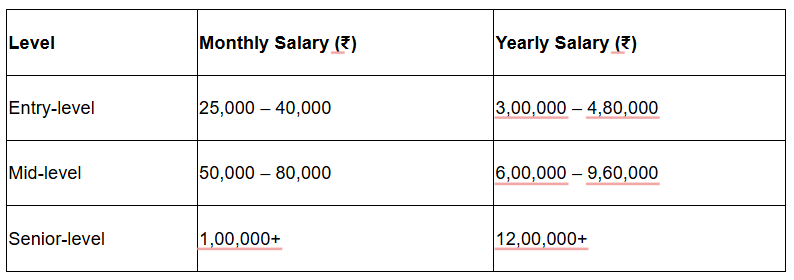
You can earn INR 10,000-INR 80,000 per month as a general veterinarian, depending on your expertise. Assuming that you decide to run your own clinic, then your income may range between INR 40 and INR 500 per patient, depending on the kind of treatment offered.
As an Assistant Professor, you can earn a monthly salary ranging between INR 30,000 and INR 60,000. When you specialize as an Animal Physiologist, you might earn about INR 4 LPA and being an Associate Veterinarian would earn you about INR 3 LPA.
The other benefits of government veterinarians include job security, allowances, and pensions. Private practitioners can scale earnings based on reputation and clientele. Rural and semi-urban areas also offer strong demand and growth opportunities.
Conclusion:
Choosing this path is about more than a degree—it’s about dedication, empathy, and impact. If you’ve been searching for how to become a veterinary doctor, know that the journey is challenging but deeply fulfilling. With the right preparation, mindset, and perseverance, you can build a career that heals animals and serves society with pride.
FAQs:
1. Is veterinary science a good career in India?
Yes, it offers job security, diverse opportunities, and meaningful work with steady growth.
2. Can I become a veterinary doctor without NEET?
No, NEET is mandatory for BVSc admissions in India.
3. Is BVSc tougher than MBBS?
Both are challenging in different ways; BVSc focuses deeply on animal science and practical training.
Also read:
Our locations: Kolkata (Hazra Rd, Opp. Jatin Das Park), Garia, Berhampore, Sodepur and more.
How to Crack NEET in First Attempt with PrepMed?
List of courses under NEET UG
How to Become Ayurvedic Doctor After 12th: Complete Career Roadmap
Recent Posts

Explore the PrepMed NEET 2-Year Courses List

West Bengal GMC Round Cutoff Prediction for NEET 2026 | YouTube Live
All India Quota Medical College List 2026: MBBS Course

List of MBBS Colleges in Jharkhand: Seats and Process

NEET for the Economically Weaker Section (EWS)