
How to Prepare for NEET targeting 2027
Cracking NEET is not only about mastering the concepts; it is also about creating a mindset, a plan, learning how to stay constant even when the journey becomes tough. If you have the goal of clearing NEET 2027 in your mind and figuring out how to prepare for NEET, then this guide will feel like having a conversation with a mentor who knows exactly what you are going through. You will be guided through a roadmap that will include each and every detail, such as strategy, subject-related planning, and the best revision patterns and topper-approved tricks to make you feel inspired and unstoppable.
NEET is a marathon. And the sooner you begin, the stronger you finish. So let's begin your journey.
NEET Exam Eligibility
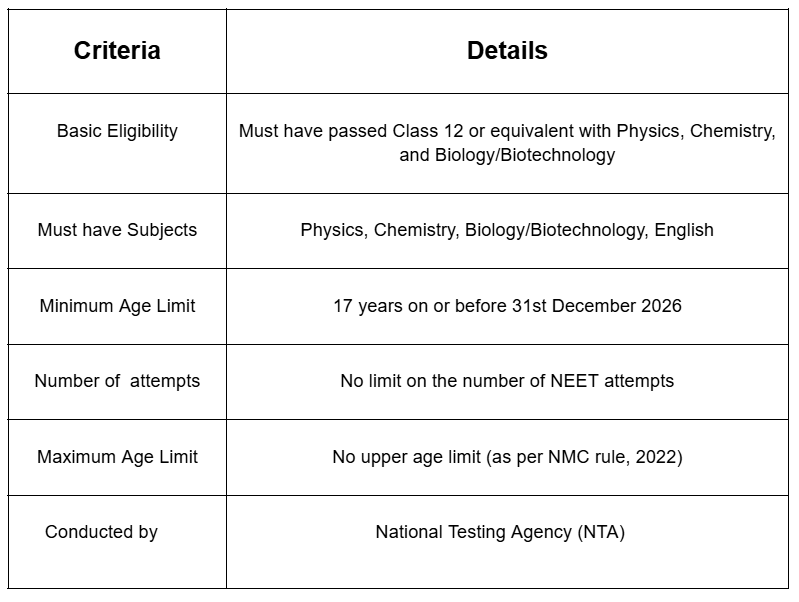
The first major step in your NEET preparation journey is to understand the NEET exam eligibility criteria. Although academic stress often keeps students focused on marks and coaching, it is important to stay updated with rules on eligibility- particularly since some minor changes have been introduced over the years. To appear in NEET, you need to pass Class 12 having subjects like English, Physics, Chemistry, and Biology, and there is no restriction on upper age and number of attempts at present. Most students unnecessarily panic over eligibility but given that you are studying PCB and that you fit the simple qualification criteria, then you are ready to go. Being aware of the eligibility will not only remove doubts but will also allow you to focus entirely on your preparation of NEET without any distractions.
NEET Exam Subjects
The three subjects of NEET, namely Physics, Chemistry, and Biology, form the heart of the exam. Each of them has their own different level, weightage pattern, and learning style. Knowing the NEET exam subjects will enable you to allot significant time to each of the subjects and work on your weaknesses accordingly. Biology carries the highest marks, Chemistry requires conceptual understanding, and Physics tests your own application skills. When students ask how to prepare for NEET, one of the first things to do is to know the detailed syllabus of all the three subjects.
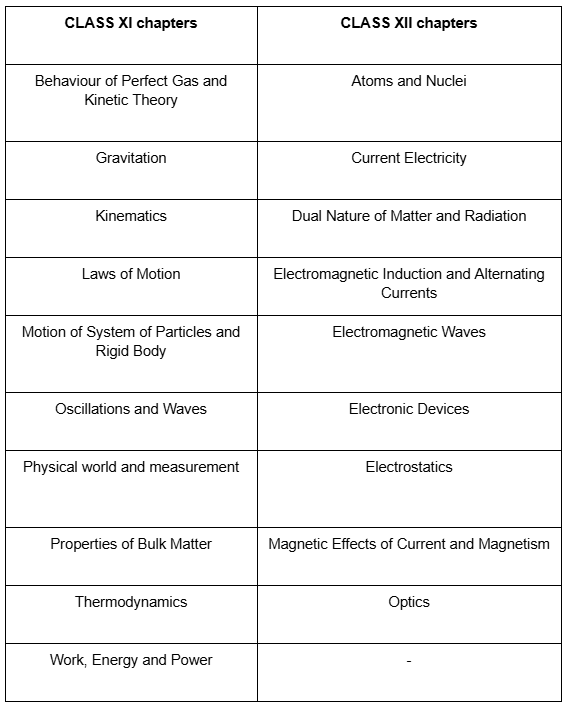
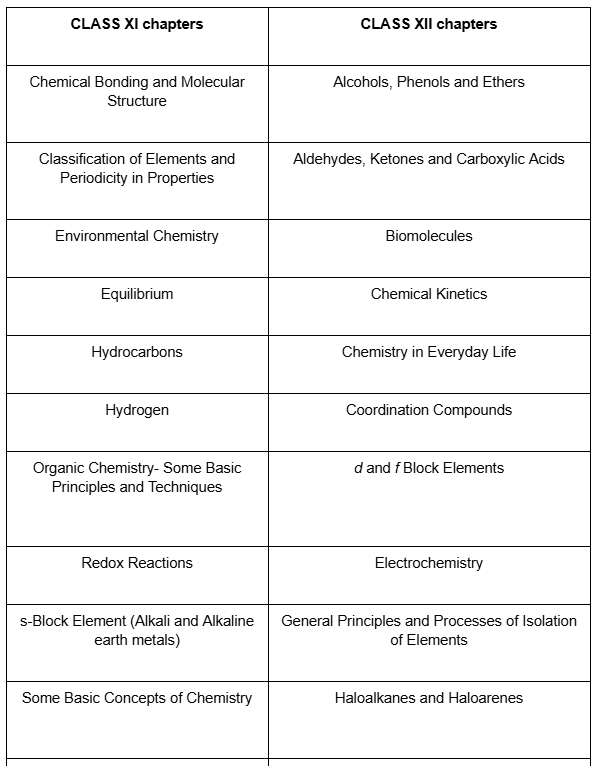
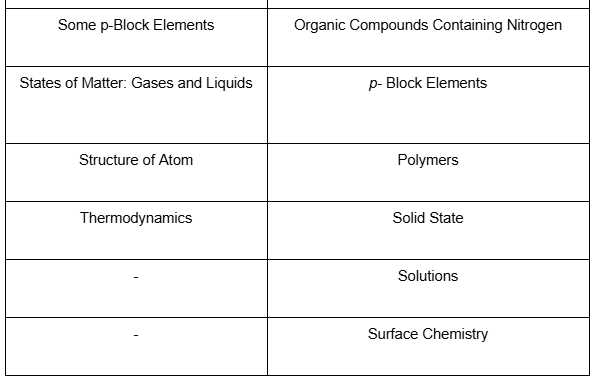
NEET Exam Syllabus 2027
The NEET exam syllabus 2027 is mostly the same as NCERT, but you need to stay alert for annual updates from NTA. Having the complete syllabus in front of you gives you direction and saves you from wasting time on unnecessary topics. The awareness of syllabus is one of the untold secrets behind the success of toppers particularly when building a long term strategy. If you are serious about cracking NEET 2027, knowing the syllabus early directly influences how to prepare for NEET in the most structured way.
Physics Syllabus:
Chemistry Syllabus:
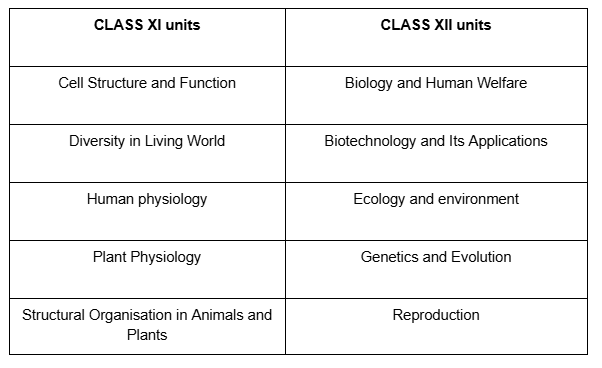
Before diving into more serious strategies, it is necessary to understand the fact that NEET preparation is not just going through the NCERT textbooks and coaching modules, but it is a journey that requires a perfect blend of discipline, intelligent planning and emotional stability. Whether you are starting early in Class 11 or beginning in Class 12, the strategy is the same; get to know your syllabus, know the weightage of the topics, study, practice and revise relentlessly. Many aspirants underestimate the role of daily habits—sleep, consistency, and practice—and end up feeling overwhelmed later. Start slow but steady, and build momentum as the exam approaches.
How to Prepare for NEET Exam?
It's crucial to understand how to prepare for NEET exam methods differ from traditional studying before you dive into the serious preparation mode. The exam is not about memorizing everything but about remembering what is important, endlessly revising, and being able to apply the concepts under the time pressure. Most of the aspirants spend their first few months studying without a proper plan and later realize that a plan based approach makes all the difference. At its core, NEET preparation consists of understanding concepts, practicing chapter-wise questions, and maintaining speed with accuracy. And while learning how to prepare for NEET from teachers and toppers, remember that personalizing your plan will make the biggest impact.
- Create a weekly/ monthly timetable that has daily objectives and revision slots.
- Use NCERT as the foundation, particularly for Biology and Chemistry.
- Set score standards during mock tests and gradually aim higher.
- Keep a notebook for errors, this one habit that can increase your score by huge margins.
- Start early with solving previous year questions; patterns repeat often.
- Pay attention to the understanding of concepts instead of blindly memorizing the formulas.
- Apply active recall methods such as using flashcards, or quizzes or teaching someone else.
- Solve at least one test per week during the first few months.
- Increase test frequency as the exam approaches, focusing on accuracy.
- Analyze mock tests consistently to pinpoint areas of weakness that need improvement.
How to Study Physics for NEET?
Physics is often a nightmare for the NEET aspirants, but it can become the most scoring subject once you understand how to study physics for NEET effectively. Physics requires a combination of concepts, formulas, and a lot of practice. Many aspirants feel stuck because they read theory but are not able to solve enough numericals. You must study Physics as a kind of art-practice every day, even if it is just for an hour. Motion, forces, electricity and optics are easier to understand when you visualize the concepts, instead of memorizing them. When learning how to prepare for NEET, mastering Physics becomes essential not because it’s difficult, but because it teaches you discipline, patience, and analytical thinking.
- Begin with NCERT and coaching modules.
- Create a different notebook for formulas and revise it every day.
- Solve at least 40-60 numericals per chapter to strengthen the concepts.
- Watch simulation videos or YouTube to visualize difficult concepts.
- Practice chapter-wise and previous-year questions to identify patterns.
- Work on accuracy first; speed improves naturally with practice.
- Do not skip difficult chapters-they usually have some predictable questions.
- Revise electrodynamics and mechanics several times.
- Practice full-length Physics section tests regularly.
- Review mistakes and categorize them into conceptual, calculation, or silly errors.
How to Study Biology for NEET?
Biology constitutes half of the NEET paper, and knowing how to study biology for NEET can make a huge difference in your score. The biggest mistake that most students make is that they think that Biology is easy, therefore skips practicing questions and focuses on only reading theories. But the truth is, every line matters. Every diagram matters. Even the smallest detail can be a question. You require a combination of reading, memorizing concepts and applying them in MCQs.
- Read NCERT multiple times- at least 5-7 thoroughly.
- Create flowcharts and diagrams in order to enhance memory.
- Solve question banks based on NCERT, repeatedly.
- Active recall should be used instead of passive reading.
- Mark significant NCERT lines during later revisions.
- Practice PYQs chapter-wise and revise weak chapters weekly.
- Adhere to a particular Biology revision slot every day.
- Pay close attention to study diagrams-they are often directly asked.
- Keep a quick revision notebook for last-month preparation.
- Test yourself regularly with 90 question Biology mocks.
How to Study Chemistry for NEET?
In order to master NEET Chemistry, understanding how to study chemistry for NEET is crucial since this subject is split into Organic, Inorganic and Physical- each holding a different approach. Physical Chemistry requires problem solving practice; Organic requires mechanisms and reactions; Inorganic requires memorization of NCERT. You can make chemistry as your rank-boosting subject if you approach it strategically. Many toppers say Chemistry helped stabilize their score when Physics felt tough
- Use NCERT as the foundation for all three sections.
- In the case of Organic Chemistry, study the reaction mechanisms rather than memorize them blindly.
- In the case of Inorganic Chemistry, stick to NCERT; do not over-read reference books.
- Practice Physical Chemistry numericals regularly.
- At least solve 150-200 questions per chapter.
- Prepare periodic trends and reactions summary sheets.
- Revise inorganic chapters at the end of each week to retain memory.
- Solve mixed chemistry tests to develop accuracy.
- Read NCERT line-by-line in Inorganic and underline essential points.
- Do a lot of previous-year questions.
NEET Preparation Tips by Toppers
When it comes to the final edge, no one explains the journey better than toppers. Understanding NEET preparation tips by toppers gives you a golden advantage. Toppers focus on limited resources, strong basics, repeated practice, and exam temperament. They don’t study 12–14 hours blindly-they study with intention. The biggest difference is their consistency. When they learn how to prepare for NEET, they follow the plan with discipline, even on difficult days.
- Stick to NCERT and one trusted question bank.
- Revise Biology frequently instead of letting it pile up.
- Focus on mock test analysis more than test scores.
- Use a mistake notebook to eliminate weak points.
- Set realistic study targets and follow them daily.
- Practice more questions from weak chapters.
- Keep distractions away-especially during study hours.
- Maintain physical and mental health through sleep and breaks.
- Increase mock test frequency during final months.
- Stay confident-top rankers always maintain a calm mindset.
Conclusion:
Preparing for NEET 2027 is not just about study hours—it’s about strategy, discipline, and consistency. You now understand how to prepare for NEET using a roadmap that combines subject-wise mastery, revision patterns, and topper-approved techniques. If you follow this guide with sincerity, your journey will become more structured and your confidence will grow each day. The earlier you begin, the better your chances of acing the exam. Believe in yourself—you’re capable of much more than you think.
FAQs:
Q1. How to prepare for NEET 2027?
To prepare for NEET 2027, start early with NCERT, follow a structured timetable, practice PYQs, take regular mock tests, and revise frequently. A year-long disciplined approach works best.
Q2. Is NCERT enough for NEET Biology, Chemistry, and Physics?
NCERT is the foundation, especially for Biology and Inorganic Chemistry. However, Physics and numericals require additional practice from question banks and mock tests.
Q3. How many hours should I study daily for NEET 2027?
Most aspirants study 6–8 quality hours initially and gradually increase the intensity. What matters more is consistency, not long hours.
Also read:
How to Crack NEET in First Attempt with PrepMed?
Recent Posts

PrepMed Featured on Guwahati Plus

Explore the PrepMed NEET 2-Year Courses List

West Bengal GMC Round Cutoff Prediction for NEET 2026 | YouTube Live

All India Quota Medical College List 2026: MBBS Course

List of MBBS Colleges in Jharkhand: Seats and Process